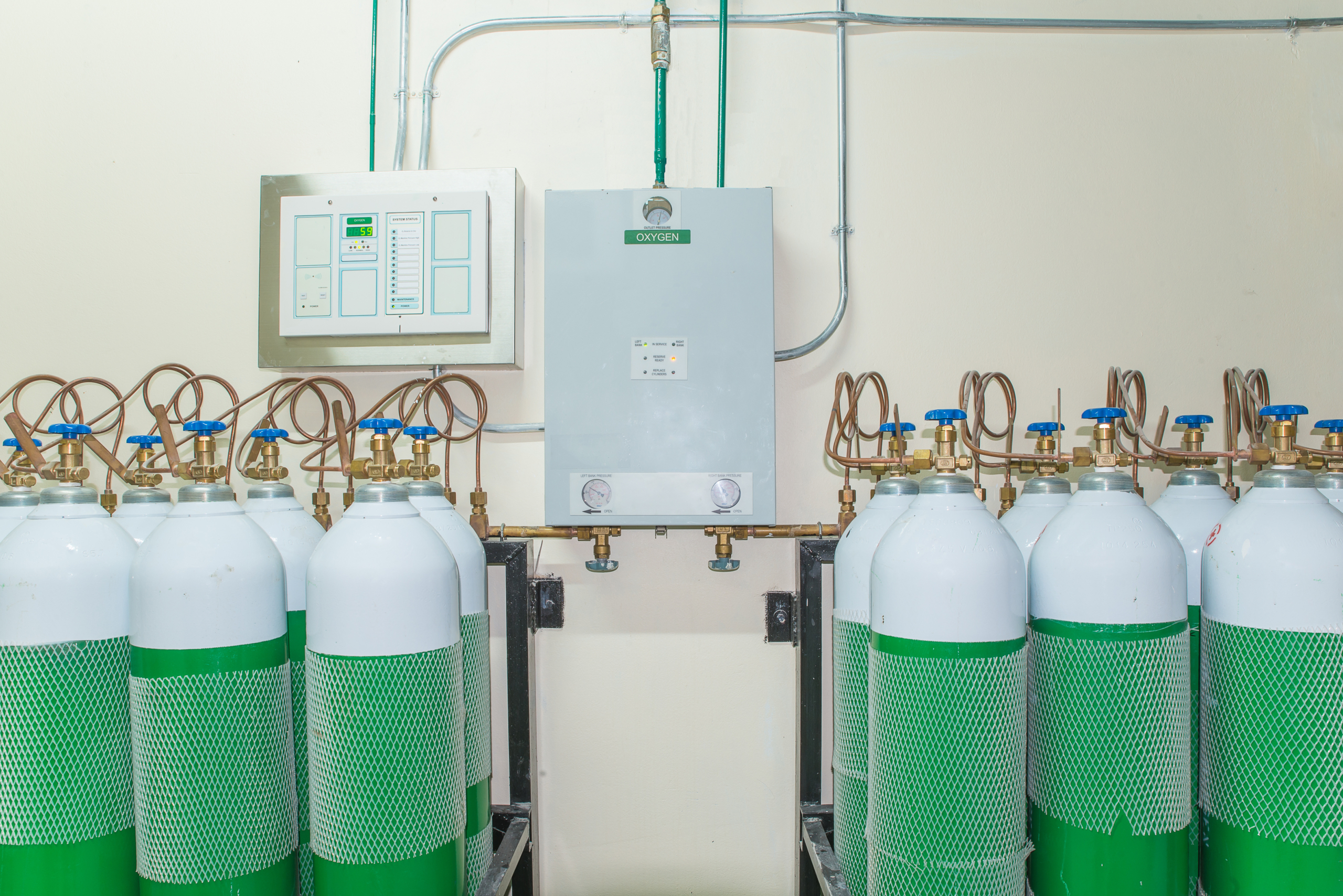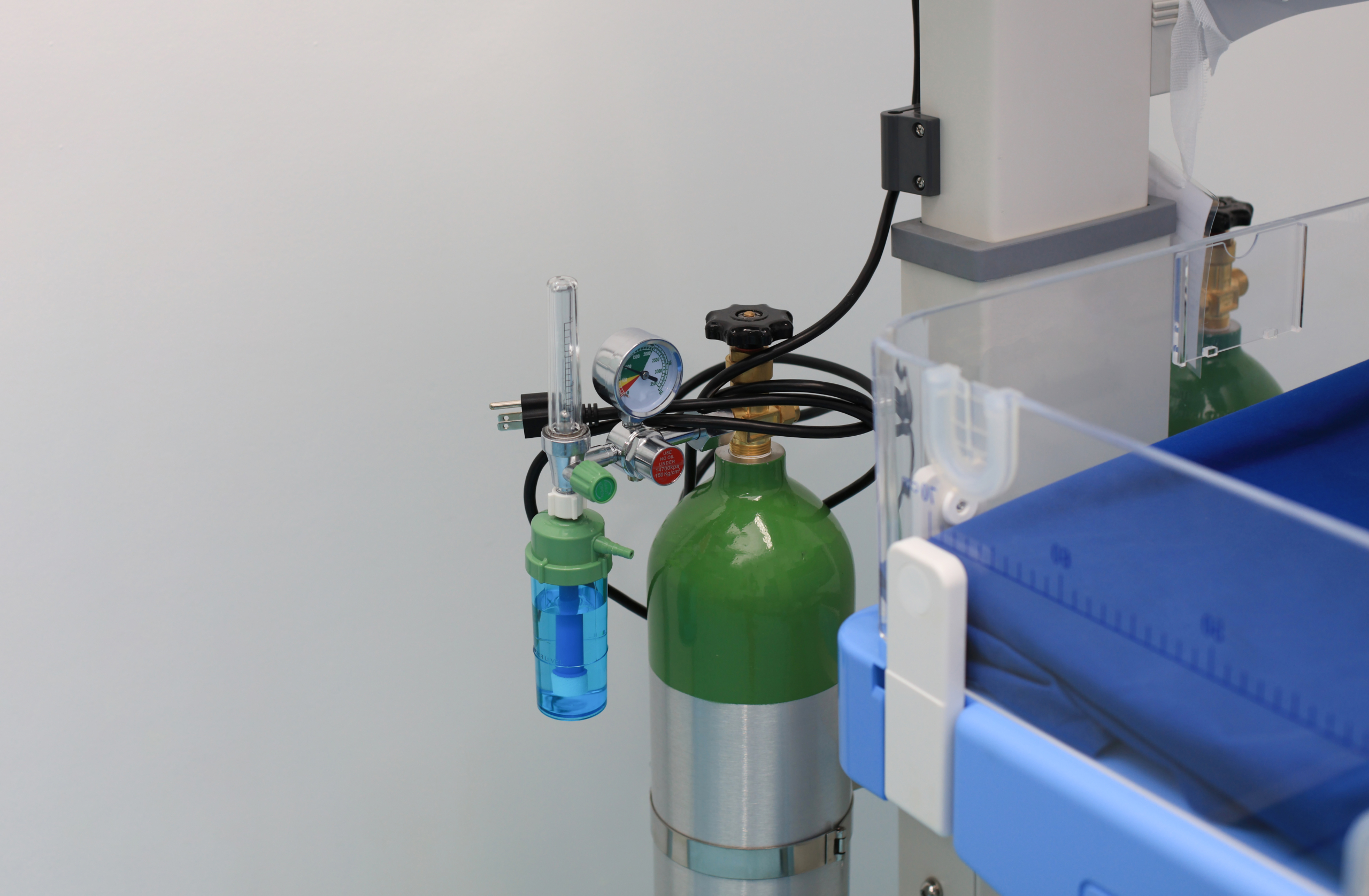
For many of us, oxygen is just part of the air we breathe—something we take for granted. But for patients all over the world who have severe diseases or undergo surgery, medical oxygen is essential to their treatment and access remains a challenge.
Today, on World Pneumonia Day, we must confront a stark reality: pneumonia remains the leading infectious cause of death for children under 5, claiming 2,200 young lives around the world every single day, with nearly one-third of those lives lost in the first four weeks of life. The vast majority of these deaths occur in low-resource settings and are largely preventable.
Oxygen is a key “missing link” between survival and preventable loss.
Strengthening health systems to ensure long-term access to medical oxygen
Millions of dollars were invested in medical oxygen equipment during and immediately after the Covid 19 pandemic. However, lack of investments in long-term health systems strengthening left much of that equipment unmaintained, resulting in an oxygen equipment “graveyard.” Meanwhile, access remains unattainable.
We must disrupt this trend. True impact requires moving past short-term fixes toward sustainable, long-term health systems that are equipped to care for patients of all ages.
This is the intent behind the Helmsley Charitable Trust’s $18.3 million in new grants to the Clinton Health Access Initiative (CHAI). This funding will expand access to sustainable medical oxygen to 64 million people across Ethiopia and Ghana. In partnership with local governments, CHAI is building resilient hub-and-spoke distribution models that ensure oxygen plants are not just installed but fully utilized and maintained for the long term.
The funding builds on prior work by CHAI and Helmsley to enable Ethiopia to properly install and use their PSA (pressure swing adsorption) oxygen plants, producing and distributing oxygen to 20 percent of the population. The new grant continues this effort, working with the Ethiopian Ministry of Health to ultimately provide oxygen coverage to half of the country’s public health facilities.
In Ghana, this initial investment will help set up a similar hub and spoke model in four hard-to-reach and high-burden regions.
Both grants also support the environment needed to secure and maintain oxygen access in the long run: policy, regulatory and governance frameworks, sustainable financing, training for health workers, maintenance systems for operational support, and information systems for adaptive learning.
Lives saved and better care for all patients
This lifesaving intervention must be available to everyone who needs it. Establishing a reliable system to supply medical oxygen can not only help reduce child mortality in sub-Saharan Africa, but can also improve care for all patients.
By prioritizing the health systems strengthening required to ensure sustainable oxygen access, we are building the foundation for lasting health equity.